Restoration Guide
Does Homeowners Insurance Cover Mold in Oregon?
You found mold, and the first question after "how bad is it" is "will insurance pay for this?" The short answer is that it depends on what caused the mold, how fast it was dealt with, and what your policy says. This guide explains how mold claims usually work and what to do before you call your insurer.

Harris Restoration
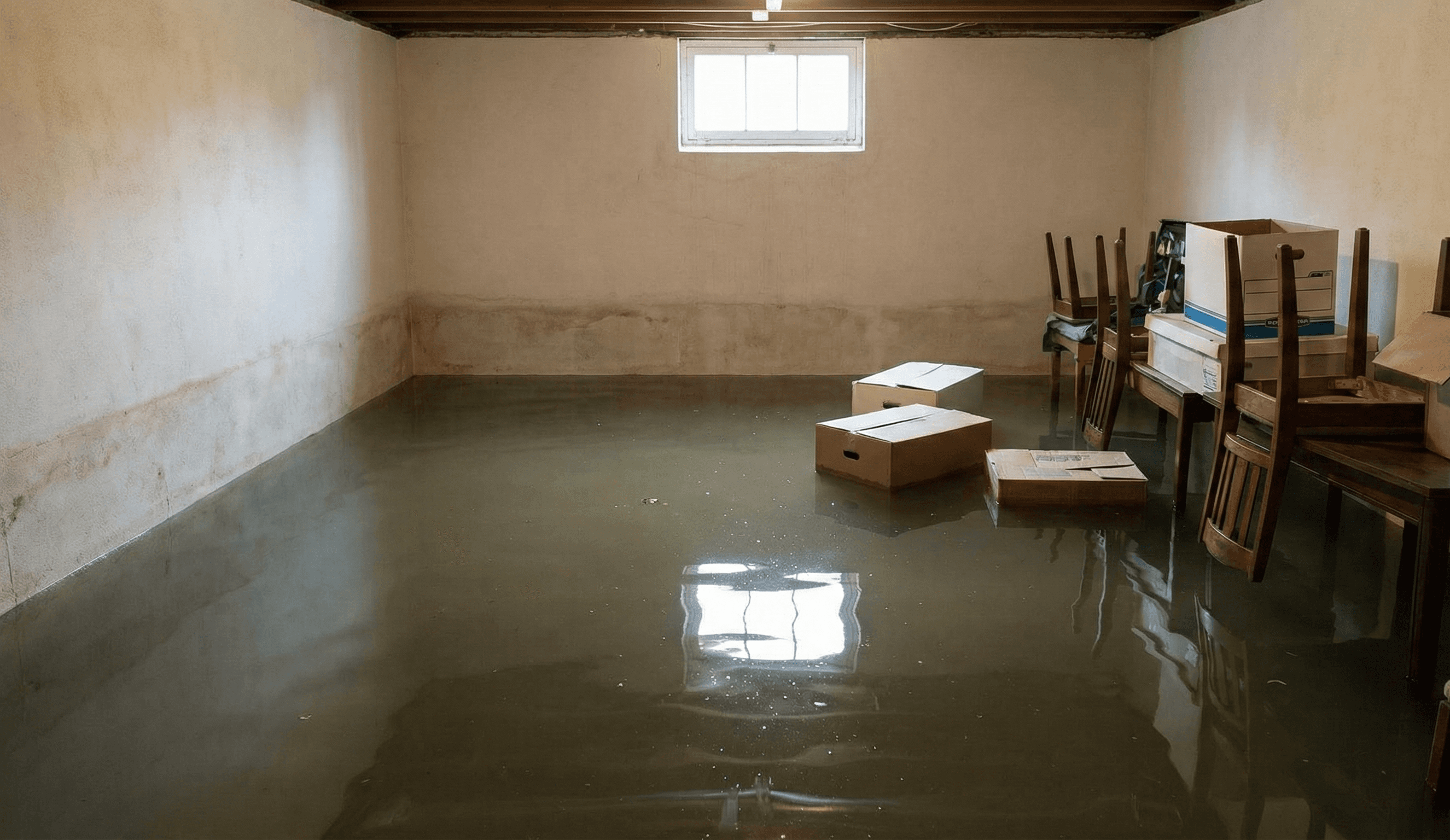
"Will my homeowners insurance cover this?"
That is one of the most common questions we hear. For mold, the honest answer is: sometimes. One homeowner on a forum, whose upstairs pipe burst, wrote that "the mold grew AFTER the flooding because we couldn't get it dried out fast enough," and then had to fight to get it covered.
Mold claims get approved or denied mostly on one thing: why the mold is there.
The general rule: mold follows the water
Most standard homeowners policies do not cover mold by itself. They may cover mold that results from a covered water event. Every policy is different, so read yours, but most mold claims fall into one of these groups.
Often covered, at least in part
Mold that grew after a sudden pipe burst, supply line failure, or appliance leak.
Mold that grew after water used to put out a fire.
Mold from a storm that damaged the roof and let water in.
Often excluded
Mold from a slow, long-term leak, like a drip under a sink or a leaking shower wall.
Mold from high humidity, poor ventilation, or condensation.
Mold from groundwater, surface flooding, or a wet crawlspace after rain.
Mold from a known problem that was not fixed.
Mold that grew because the water was not dried in time after a covered event.
Many policies that do cover mold also put a dollar limit on it, separate from the rest of the claim. Check the limits and endorsements section of your policy, or ask your agent directly.
Why timing matters so much
Policies usually require you to take reasonable steps to prevent further damage after a loss. The EPA advises drying water-damaged areas and items within 24 to 48 hours to prevent mold growth. If a pipe bursts and the house sits wet for weeks, the insurer may argue the mold was caused by the delay, not the burst.
That is why the first days after a leak matter more than the mold itself. Fast drying and good records protect both the house and the claim.
What to do if you find mold
Do not tear it out yet. Take photos and video first, wide and close up.
Figure out the water source. A plumber's written report on what failed and when is strong evidence.
Write a timeline. When did you notice water? When did you notice mold? What did you do in between?
Stop the moisture. Fix the leak and start drying.
Call your insurer to report it and get a claim number.
Keep every receipt for repairs, drying, and temporary living costs.
Small mold you can handle yourself
Not every patch of mold is worth a claim. The EPA says if the moldy area is less than about 10 square feet, in most cases you can handle the job yourself. Fix the moisture, clean hard surfaces with detergent and water, wear gloves and an N95 mask, and watch for it to return. For small jobs, the cost may be less than your deductible anyway.
If the claim gets denied
Mold denials often come with words like "gradual," "long-term," "wear and tear," or "failure to mitigate." Ask for the denial in writing with the exact policy language. Then compare it to your timeline and evidence. Our post on what to do when a claim is denied as a gradual leak walks through the appeal step by step.
The Oregon Division of Financial Regulation has consumer advocates who take complaints about how claims are handled. A public adjuster or an attorney who handles insurance disputes can also review a large denial.
Questions to ask your agent now
Does my policy cover mold at all? Under what conditions?
Is there a separate dollar limit for mold?
Can I buy a mold endorsement to raise that limit?
Does my policy cover sewer or drain backup?
What does the policy require me to do after a water leak?
Asking these before anything goes wrong is the easiest way to avoid a surprise later. Our plain guide to Oregon water damage claims covers the rest of the claim process.
Get help with a mold claim
Harris Restoration finds the moisture source, documents the mold and the water behind it, and removes it with containment when needed. Our in-house public adjuster, Nataie, who is fully IICRC certified, can help you understand what your policy covers and work through the claim. Call (971) 267-2779 or contact us. Learn more about our insurance claim support.
DON’T WAIT.
The Damage Won’t.
Read more

Who Pays the Restoration Bill If Insurance Is Slow?
The water is dried out and the restoration company sent the bill. But the adjuster has not called back, the claim is still open, and you are wondering whether you are on the hook. This guide explains how payment usually works on an insurance claim, what you can do to speed it up, and the questions to ask before work starts.

Sewage Backup Under the House: Cleanup and Coverage
A broken drain line or a backed-up sewer has sent wastewater into the crawlspace. You may smell it before you see it. This guide covers what to do right away, why sewage cleanup is different from a clean water leak, and how insurance usually handles it.

Should You File a Water Damage Claim or Pay Yourself?
The water is off and the damage is in front of you. Now comes a harder question: file an insurance claim, or pay for it yourself? The answer depends on your deductible, how big the damage really is, and how a claim might affect you later. This guide walks through how to decide.