Category 1
Water Damage Insurance Claims in Oregon - Complete Guide
Filing an insurance claim for water damage is stressful. Adjusters speak a different language, documentation requirements are strict, and one wrong move can mean denial. Here's how to navigate it without leaving money on the table.

Harris Restoration
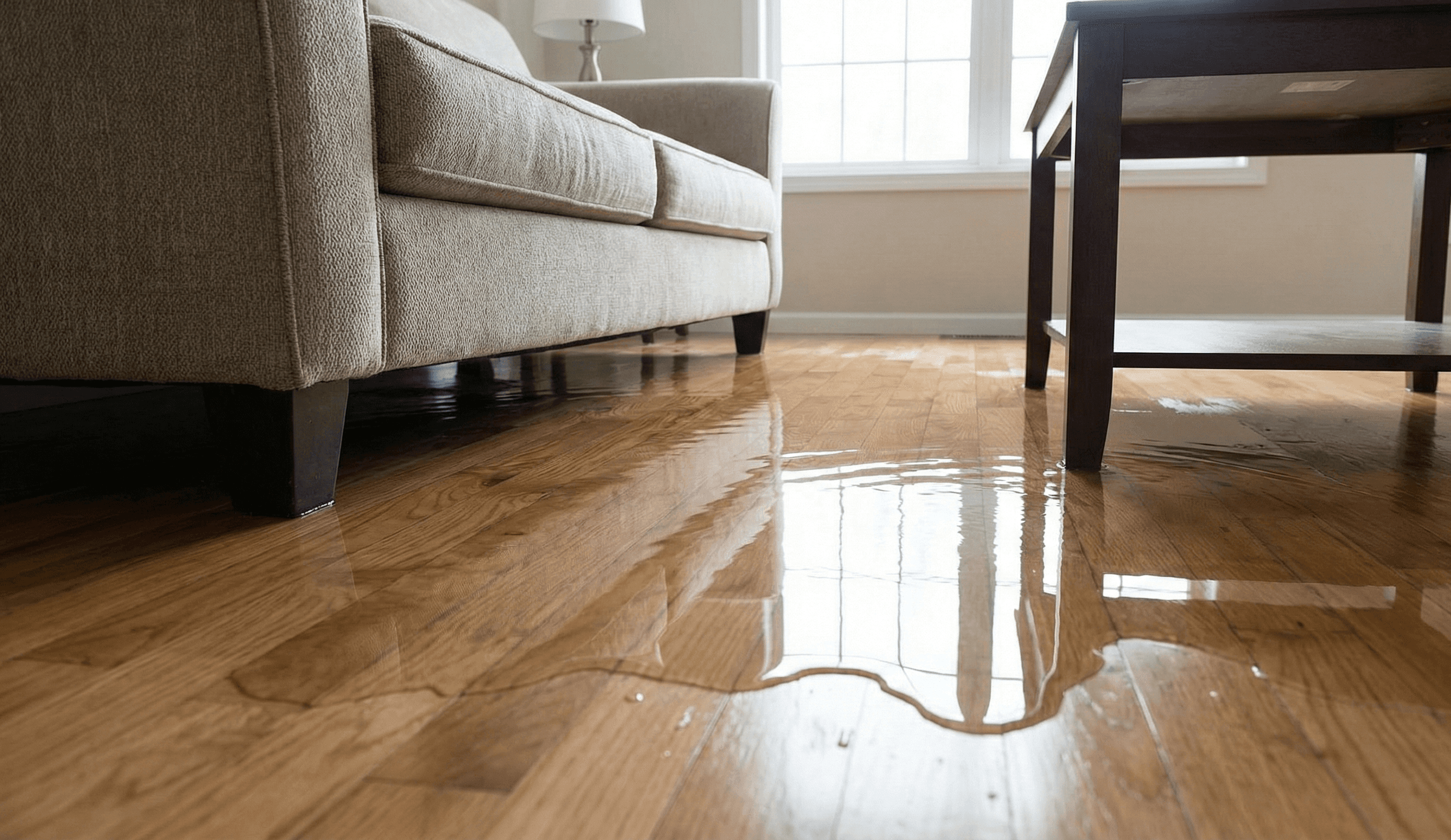
Step 1: Stop the Water (If Safe)
Before calling anyone: turn off the water main if it's a pipe burst, cut electricity to affected areas, and avoid entering flooded areas with live electricity. Insurance expects you to mitigate further damage. If you ignore a burst pipe for hours, they may deny the claim.
Step 2: Document Everything
Take time-stamped photos and video immediately: standing water, the source of damage, affected items, and wet walls, ceilings, and baseboards. Adjusters often visit days later when water is gone. Your photos are the only proof of initial damage.
Step 3: Call Your Insurance Within 24 Hours
Have your policy number, date of loss, cause and extent of damage ready. Tell them emergency mitigation is in progress. Ask if you need approval before hiring a restoration company.
Step 4: Call Harris Restoration
Call us before the adjuster arrives. We start drying immediately (prevents mold and satisfies the mitigation requirement), document everything in insurance language using Xactimate, and can be present when the adjuster inspects. We handle: detailed moisture documentation, line-item Xactimate estimates, scope of loss reports, direct adjuster communication, and supplement requests if the initial estimate is too low.
Step 5: The Adjuster Visit
Be present or have us represent you. Don't sign anything that limits coverage. Don't accept the first estimate — we'll push for the proper scope.
Common Denial Reasons (And How to Avoid Them)
"Gradual leak" vs "Sudden burst" — Emphasize the suddenness in your statement
"Lack of maintenance" — Show you maintained the property (receipts for plumbing work, inspections)
"Delay in mitigation" — Start drying within 24 hours and document the start time
"Pre-existing damage" — Before photos prove the damage is new
What Insurance Covers (Usually)
Covered: Sudden pipe bursts, appliance malfunctions, accidental overflow, roof leaks from storm damage.
Not covered: Gradual leaks, lack of maintenance, flooding from outside (requires separate flood insurance), sewer backup (unless you have that endorsement).
Filing a claim? Call Harris — we handle the insurance paperwork from start to finish.
DON'T WAIT.
The Damage Won’t.
Read more
Water Damage Insurance Claims in Oregon - Complete Guide
Filing an insurance claim for water damage is stressful. Adjusters speak a different language, documentation requirements are strict, and one wrong move can mean denial. Here's how to navigate it without leaving money on the table.
Tom White
Art Director

Fire & Smoke Odor Removal in Oregon - Why Sprays Don't Work
After a fire, the visible damage is obvious. But smoke odor lingers long after the flames are out, clinging to walls, furniture, and HVAC systems. DIY sprays and candles don't work. Here's what actually does.
Tom White
Art Director
Mold Inspection & Testing in Oregon - When You Need It
Not every mold situation requires testing. But if you're buying a home, dealing with insurance, or have health concerns, professional mold inspection can save you money and stress. Here's how to know what you actually need.
Tom White
Art Director