Category 1
Water Damage: How to Prevent Secondary Damage & Why Speed Matters
The initial water damage is bad. But secondary damage — mold growth, structural decay, electrical hazards — can be worse and more expensive. Here's what happens hour by hour, and how to minimize it before professionals arrive.

Harris Restoration
What Is Secondary Damage?
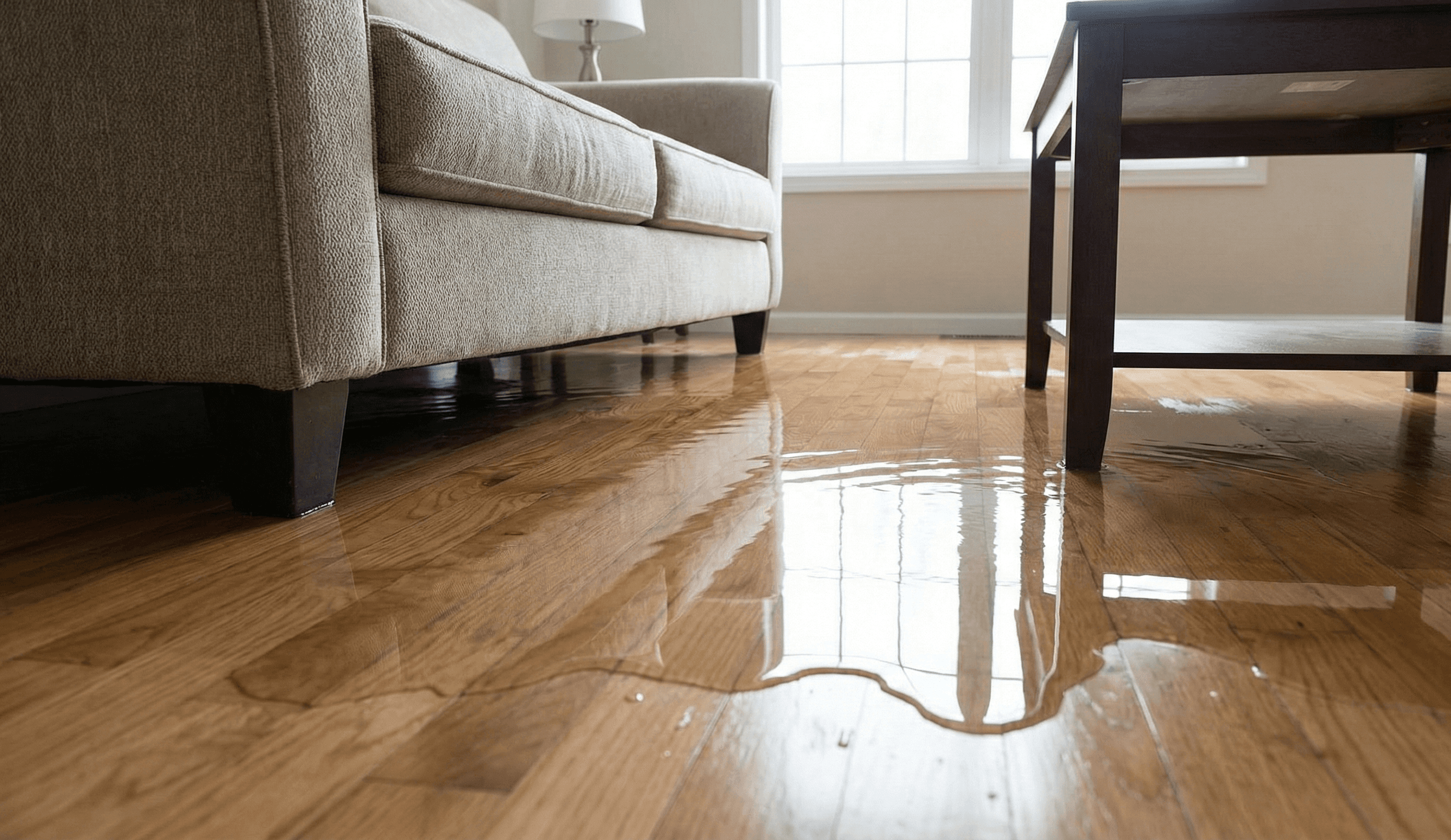
Primary damage: Soaked carpets, wet drywall, standing water.
Secondary damage: Mold growth (24–48 hours), structural weakening, electrical hazards, corrosion, and health risks. Insurance may deny secondary damage claims if you didn't act fast enough to mitigate.
The 24–48 Hour Window
Hours 0–4: Water actively damages materials. Carpets, drywall, furniture absorbing water. Action: stop water source, begin extraction.
Hours 4–24: Moisture spreads to adjacent areas, wicking through drywall and subfloor. Wood begins to swell. Action: extract all standing water, start drying.
Hours 24–48: Mold spores begin colonizing. Drywall deteriorates. Wood starts to rot. Action: aggressive drying with dehumidifiers and air movers.
Hours 48+: Visible mold growth. Structural damage. Odor sets in. Action: full restoration, possible demolition.
Every hour you wait increases restoration costs exponentially.
Common Secondary Damage Scenarios
Mold Growth: Starts 24–48 hours after water intrusion. Costs $2,000–10,000+ to fix. Prevention: dry everything within 48 hours, maintain under 60% humidity.
Structural Damage: Floor joists, studs, subfloors weakening. Costs $5,000–50,000+ to fix.
Electrical Hazards: Outlets, wiring, breaker boxes. Costs $1,000–5,000+. Turn off power immediately.
HVAC Contamination: Running HVAC during water damage spreads moisture and mold. Costs $1,500–4,000 for duct cleaning.
Sewage Contamination: Gray or black water doubles or triples normal restoration costs.
Emergency Mitigation Steps (Before Professionals Arrive)
Safety First (5 min) — Turn off electricity to flooded areas. Don't enter standing water with power on. Evacuate if ceiling is sagging or floors are buckling.
Stop Water Source (10 min) — Shut off main water valve. Turn off appliance supply lines. Tarp roof if leaking from above.
Document Everything (10 min) — Photos and video of all damaged areas. Note the time water started. List damaged items.
Begin Water Removal (30 min–2 hours) — Use wet/dry vacuum for standing water. Move furniture out of water. Remove soaked rugs and fabrics.
Start Airflow (30 min) — Open windows if outdoor humidity is below 70%. Run fans. Do not run HVAC yet.
Call Professionals (5 min) — Harris Restoration, your insurance company, a plumber if needed, an electrician if there are electrical concerns.
What NOT to Do
Don't wait to "see how bad it is" — every hour increases damage
Don't use a shop vac on carpets — you need extraction equipment
Don't turn on HVAC — it spreads moisture
Don't assume "it's just a little water" — hidden moisture causes mold
Cost Impact of Delayed Response
Call within 4 hours: $1,100 total (extraction + drying + minor drywall repair)
Wait 48 hours: $5,800 total (adds mold remediation, drywall replacement, cabinet replacement)
The difference: $4,700 — a 423% increase because you waited 2 days.
Water damage emergency? Every minute counts. Call Harris now.
DON'T WAIT.
The Damage Won’t.
Read more
Water Damage Insurance Claims in Oregon - Complete Guide
Filing an insurance claim for water damage is stressful. Adjusters speak a different language, documentation requirements are strict, and one wrong move can mean denial. Here's how to navigate it without leaving money on the table.
Tom White
Art Director

Fire & Smoke Odor Removal in Oregon - Why Sprays Don't Work
After a fire, the visible damage is obvious. But smoke odor lingers long after the flames are out, clinging to walls, furniture, and HVAC systems. DIY sprays and candles don't work. Here's what actually does.
Tom White
Art Director
Mold Inspection & Testing in Oregon - When You Need It
Not every mold situation requires testing. But if you're buying a home, dealing with insurance, or have health concerns, professional mold inspection can save you money and stress. Here's how to know what you actually need.
Tom White
Art Director