Category 1
Fire & Smoke Odor Removal in Oregon - Why Sprays Don't Work
After a fire, the visible damage is obvious. But smoke odor lingers long after the flames are out, clinging to walls, furniture, and HVAC systems. DIY sprays and candles don't work. Here's what actually does.

Harris Restoration

Why Smoke Odor Is So Persistent
Smoke particles are microscopic (0.01–1 micron) and penetrate porous surfaces: drywall, wood, fabric. Acidic compounds bond chemically to materials. Heat opens pores, allowing deeper penetration. Smoke hides inside walls (through electrical outlets and gaps), HVAC ducts, carpet padding, attic insulation, and concrete. Air fresheners mask odor temporarily — it returns. Painting over smoke means it bleeds through within weeks.
Professional Odor Removal Methods
1. Thermal Fogging (Most Common) — Heated deodorizing agent creates fog that mimics smoke behavior, penetrating the same areas smoke did. Neutralizes odor molecules. 2–4 hours, then ventilate for 4+ hours after. Best for moderate smoke odor.
2. Ozone Treatment (Severe Cases) — Ozone generator breaks down odor molecules at the molecular level. Space must be sealed; no people, pets, or plants during treatment. Runs 24–72 hours. Must air out thoroughly after. Best for heavy smoke damage. Warning: ozone is toxic during treatment — professionals only.
3. Hydroxyl Treatment (Occupied Spaces) — Similar to ozone but safe for occupants. Slower process (5–7 days). Best when you can't vacate.
4. Enzyme Treatments (Organic Odors) — Breaks down organic compounds from burned food or grease. Applied to surfaces with dwell time. Best for kitchen fires.
The Complete Process
Days 1–2: HEPA vacuum all surfaces. Wash walls and ceilings with degreaser. Clean or replace HVAC filters. Wipe down all contents.
Days 2–3: Carpet extraction or replacement. Duct cleaning. Seal porous surfaces with encapsulant.
Days 3–4: Thermal fogging or ozone treatment. Proper dwell and ventilation time. Retest for odor.
Day 5: Replace items that can't be saved. Prime and paint affected areas with odor-blocking primer. Final sniff test from a fresh nose.
What Can vs Can't Be Saved
Usually salvageable: Hard surfaces (wood, tile, metal), lightly affected fabrics, electronics (if not heat-damaged), books and papers.
Usually replace: Carpet padding, mattresses, heavily saturated furniture, food items.
Insurance Coverage
Yes — if fire damage is covered, smoke odor removal is part of restoration. We document everything and handle the claim using Xactimate.
Fire damage? Don't wait — call Harris for smoke odor removal today.
DON'T WAIT.
The Damage Won’t.
Read more
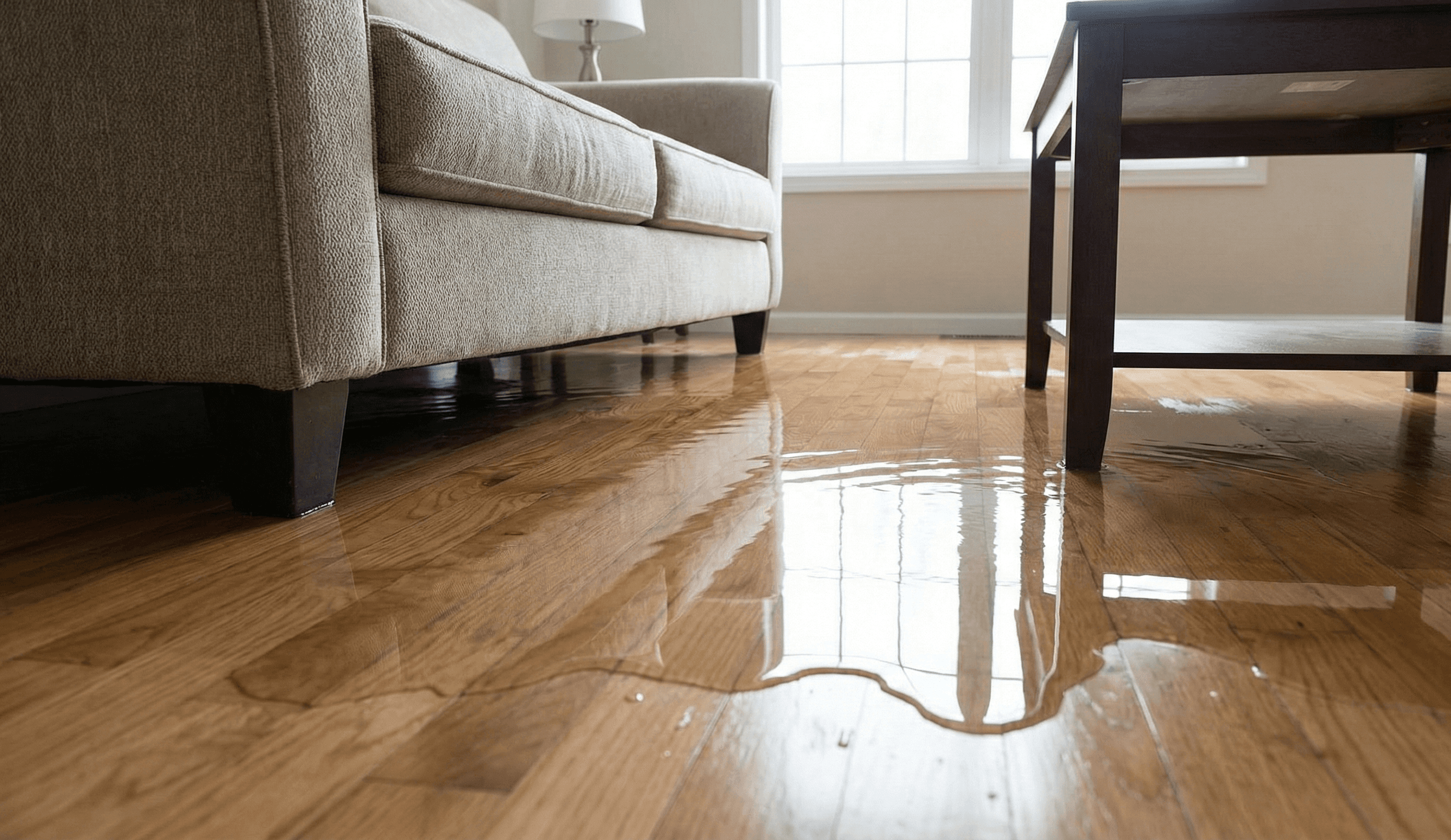
Water Damage Insurance Claims in Oregon - Complete Guide
Filing an insurance claim for water damage is stressful. Adjusters speak a different language, documentation requirements are strict, and one wrong move can mean denial. Here's how to navigate it without leaving money on the table.
Tom White
Art Director
Fire & Smoke Odor Removal in Oregon - Why Sprays Don't Work
After a fire, the visible damage is obvious. But smoke odor lingers long after the flames are out, clinging to walls, furniture, and HVAC systems. DIY sprays and candles don't work. Here's what actually does.
Tom White
Art Director
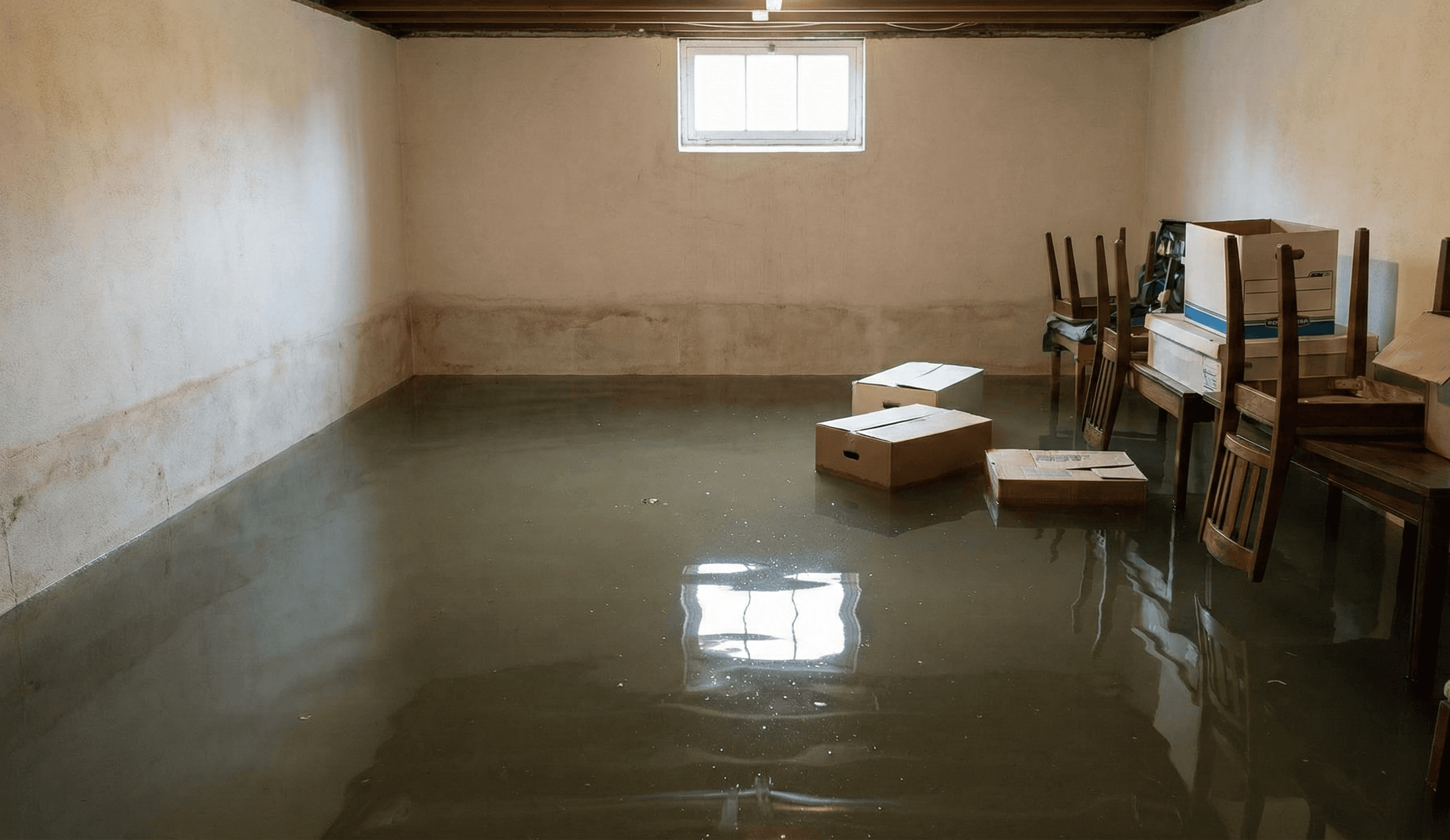
Mold Inspection & Testing in Oregon - When You Need It
Not every mold situation requires testing. But if you're buying a home, dealing with insurance, or have health concerns, professional mold inspection can save you money and stress. Here's how to know what you actually need.
Tom White
Art Director