Category 1
Crawlspace Encapsulation in Oregon - Benefits, Cost & Process
Oregon's wet climate makes crawlspaces a breeding ground for moisture problems. Encapsulation creates a sealed barrier that keeps water out, prevents mold growth, and can cut your heating bills by 15–20%. Here's everything you need to know before you hire anyone.

Harris Restoration
What Is Crawlspace Encapsulation?
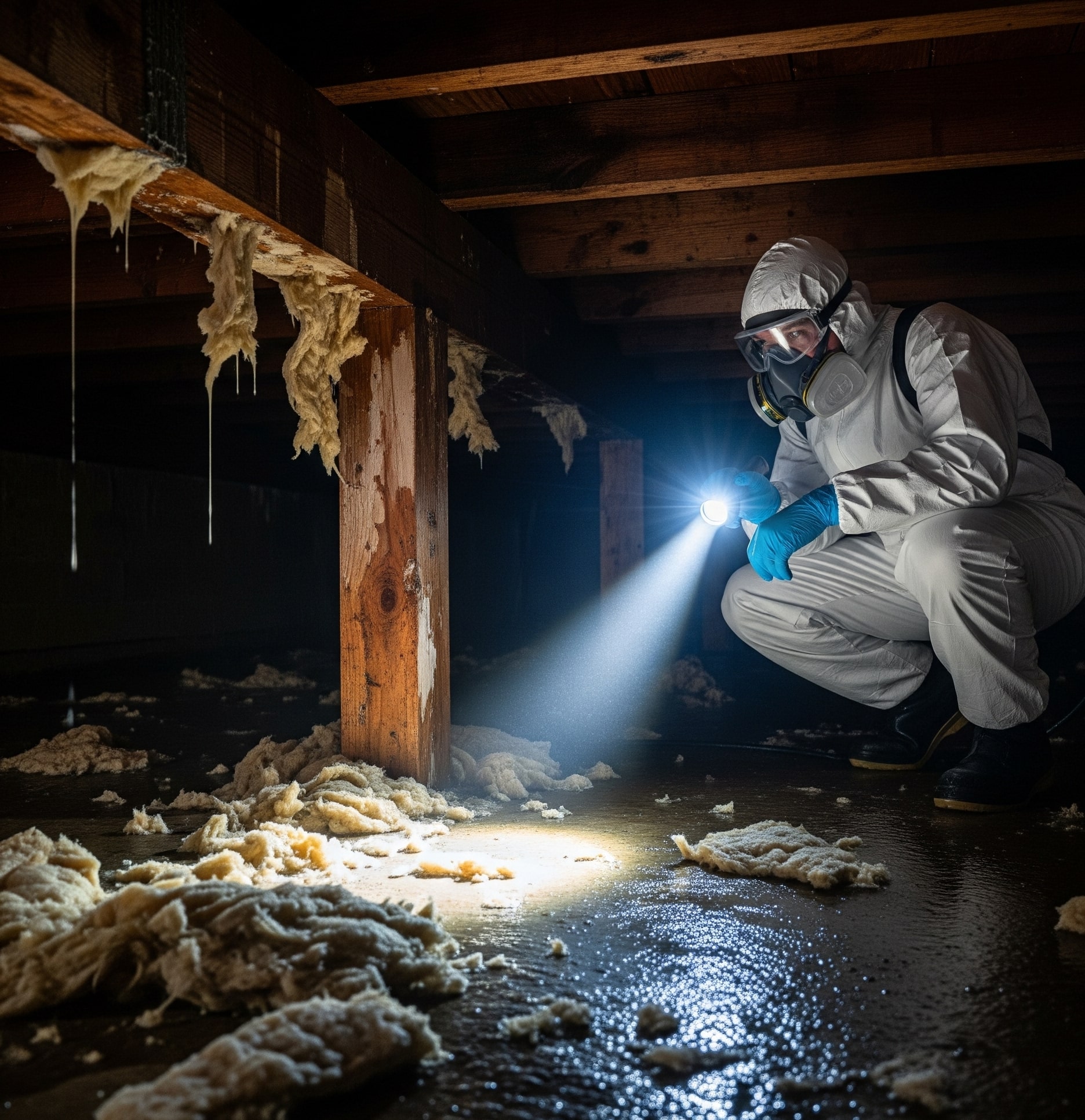
Encapsulation transforms your dirt crawlspace into a clean, dry, sealed space by removing contaminated insulation, installing a heavy-duty vapor barrier (10–20 mil plastic), sealing all seams, walls, and posts, adding dehumidification in high-moisture areas, and insulating walls instead of floor joists.
Why Oregon Crawlspaces Need It
Oregon-specific challenges: 40+ inches of annual rainfall in the Willamette Valley, clay soil that doesn't drain, old vented crawlspaces that let in humid air, and open vents that give rodents easy access. Without encapsulation: moisture condenses on floor joists and ducts, mold grows on wood and insulation, fiberglass insulation falls when wet, and energy bills increase.
Benefits of Encapsulation
Stops Mold Growth — Eliminates the moisture mold needs
Improves Indoor Air Quality — Up to 50% of your home's air comes from the crawlspace
Lowers Energy Bills — Average savings of $200–400/year in Oregon homes
Prevents Pest Infestations — Sealed vents block rodent access
Increases Home Value — Often required for FHA/VA loans in moisture-prone areas
The Encapsulation Process
Inspection & Prep (Day 1) — Remove old insulation, debris, standing water. Repair cracks and install drainage if needed.
Vapor Barrier Installation (Days 2–3) — 10–20 mil reinforced plastic liner covering entire floor and 6–12" up walls. All seams sealed with tape, not just overlapped. Posts and piers wrapped.
Sealing & Insulation (Days 3–4) — Vents permanently sealed. Crawlspace walls and rim joists insulated. All air leaks sealed.
Dehumidification (Day 4) — Crawlspace dehumidifier installed if needed. Set to maintain 50–55% relative humidity.
Cost Breakdown (Oregon Pricing)
Basic encapsulation (1,200 sq ft crawlspace):
Vapor barrier: $1,500–2,500
Insulation: $1,000–1,500
Dehumidifier: $1,200–1,800
Labor: $2,000–3,000
Total: $5,700–8,800
DIY vs Professional
Crawlspaces are tight, dirty, and unforgiving. Improper sealing negates the benefits. We identify and fix moisture sources first — encapsulation won't work if water keeps entering. Done in days, not weekends, with insurance and warranty.
Ready to encapsulate your crawlspace? Call Harris Restoration for a free assessment.
DON'T WAIT.
The Damage Won’t.
Read more
Water Damage Insurance Claims in Oregon - Complete Guide
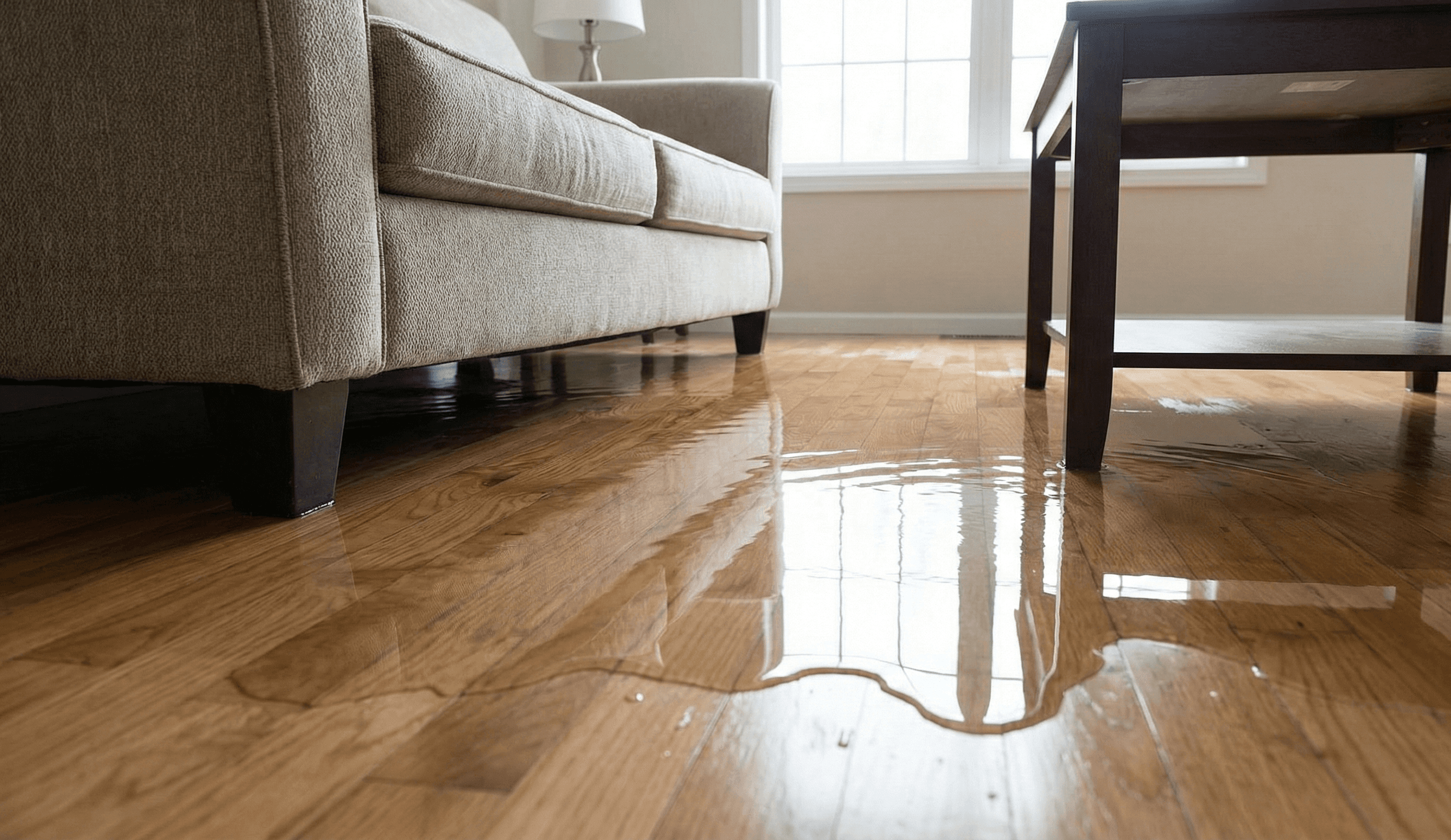
Filing an insurance claim for water damage is stressful. Adjusters speak a different language, documentation requirements are strict, and one wrong move can mean denial. Here's how to navigate it without leaving money on the table.
Tom White
Art Director

Fire & Smoke Odor Removal in Oregon - Why Sprays Don't Work
After a fire, the visible damage is obvious. But smoke odor lingers long after the flames are out, clinging to walls, furniture, and HVAC systems. DIY sprays and candles don't work. Here's what actually does.
Tom White
Art Director
Mold Inspection & Testing in Oregon - When You Need It
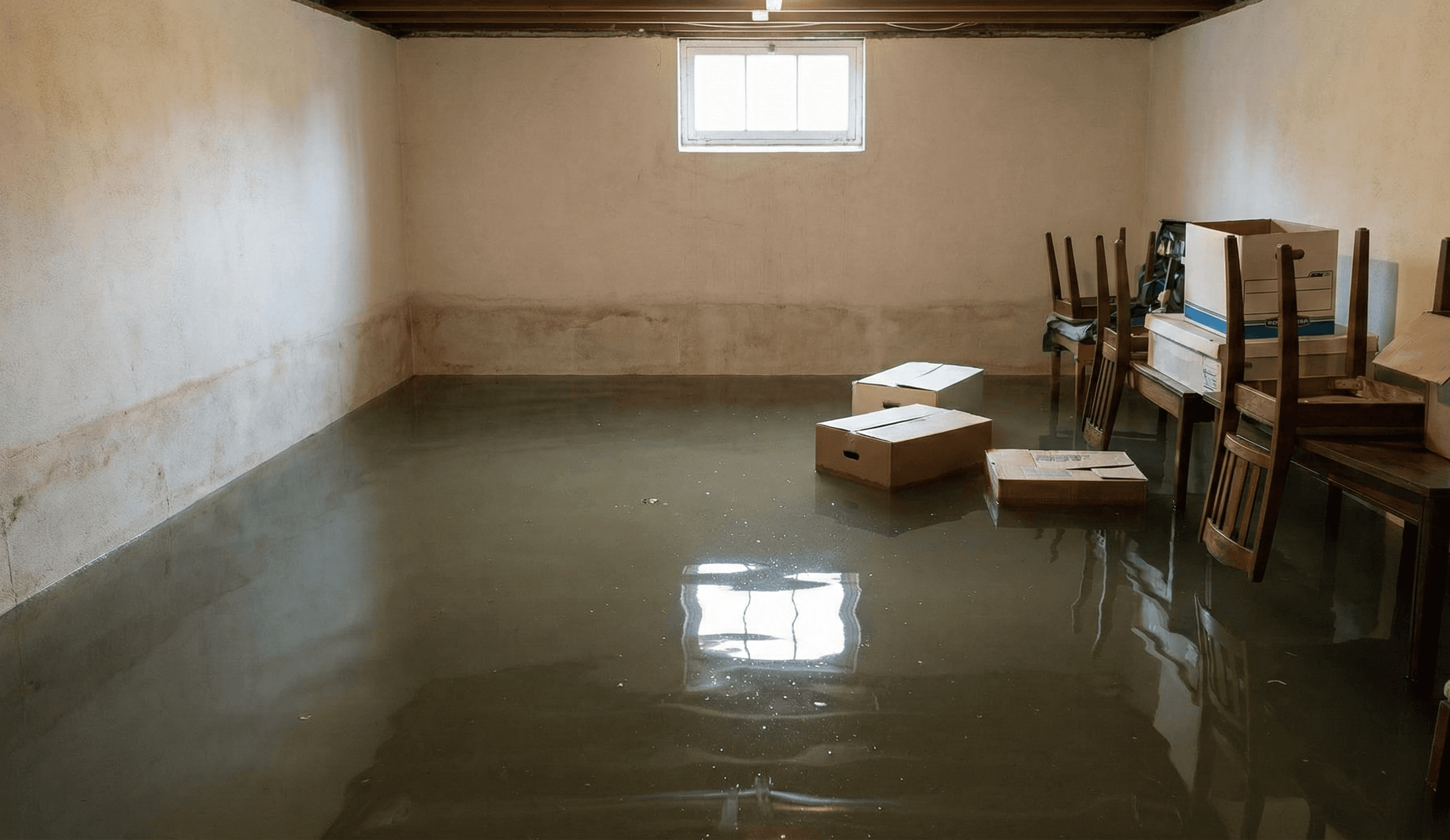
Not every mold situation requires testing. But if you're buying a home, dealing with insurance, or have health concerns, professional mold inspection can save you money and stress. Here's how to know what you actually need.
Tom White
Art Director