Category 1
October 30, 2025
What to Do After Flooding in Your McMinnville Home
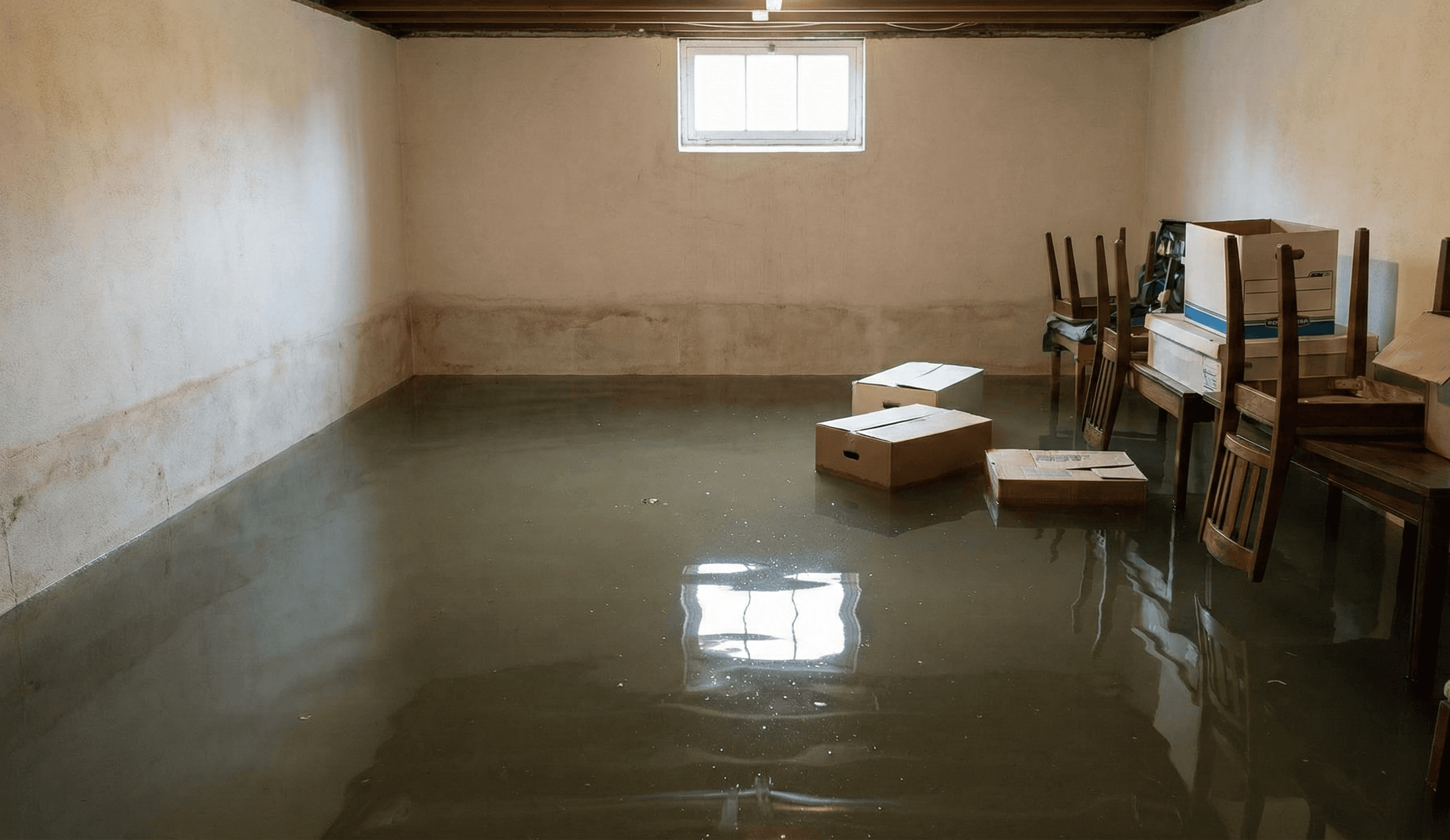
Your McMinnville home just flooded and the water has receded. You're overwhelmed and not sure where to start. Here's what you need to do in the first 48 hours to minimize damage and protect your insurance claim.

Harris Restoration
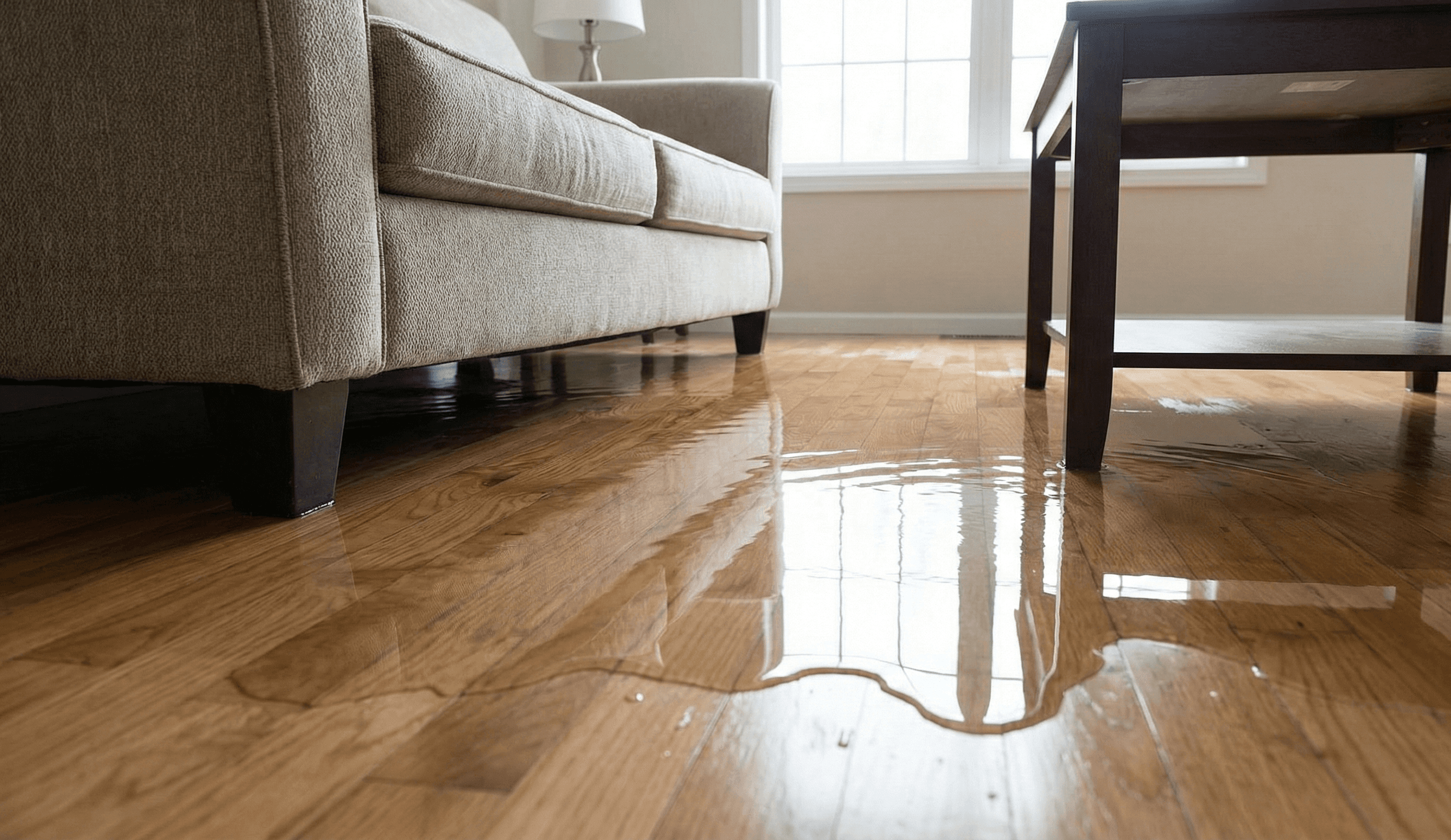
Safety FirstDo not enter your home if the water level is still high or if electrical power is on. Shut off electricity at the main breaker if it's safe to do so. Wear rubber boots and gloves when walking through flooded areas.
Watch for structural damage like sagging ceilings, buckled floors, or leaning walls. If you see any of these signs, leave immediately and call a structural engineer. Document everything with photos and videos before moving or cleaning anything.
Your insurance adjuster will need to see the damage as it occurred.Remove Water ImmediatelyStart removing standing water using pumps, wet vacuums, or buckets. The faster you remove water, the less damage it will cause. Pull up wet carpet and padding and move them outside to dry or dispose of them.
Do not leave wet materials inside the house. Remove wet contents from the affected area and place them in a dry location. Separate items that can be saved from items that are too damaged.
Do not throw anything away until your adjuster approves it.Dry Everything FastOpen windows and doors to increase ventilation. Run fans and dehumidifiers if electricity is restored. Remove baseboards to allow air to circulate behind walls.
Do not close up wet areas or try to repair damage until everything is completely dry. Mold starts growing within 48 hours, so speed is critical. If you cannot dry the space yourself within two days, call a professional restoration company.Professional Flood Cleanup and RestorationWe extract standing water, remove unsalvageable materials, and dry your home using industrial air movers and dehumidifiers.
We monitor moisture levels daily and adjust equipment as needed. If mold begins growing, we treat it immediately. We also document all damage, photograph everything, and prepare a detailed estimate for your insurance claim.
Our team works with your adjuster to ensure your claim is processed quickly and completely.Insurance Claims for FloodingFlooding from rising water requires separate flood insurance and is not covered by standard homeowners policies. However, if the water entered due to a plumbing failure or sewer backup, your homeowners policy may cover it. We help determine the source, document the timeline, and file the correct claim.
If you have flood insurance through NEMA, we handle that claim and ensure all required documentation is submitted.If your home flooded, call us now for emergency extraction and drying. We'll protect your home from further damage and handle your insurance claim so you can focus on recovery..
DON'T WAIT.
The Damage Won’t.
Read more
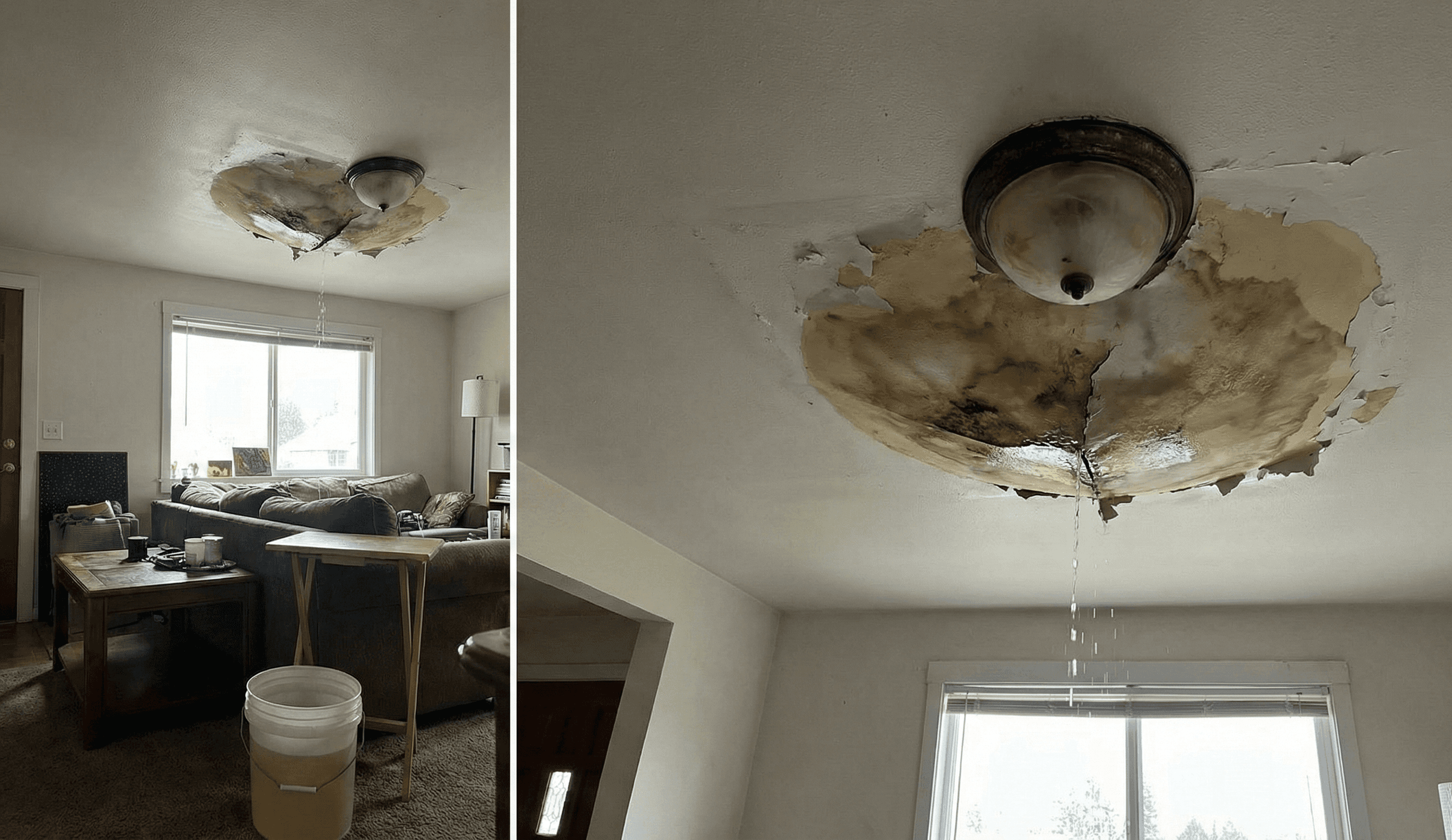
How HVAC Condensate Leaks Cause Mold in Portland Homes
Your Portland air handler is leaking water, and you've noticed mold growing on the ceiling or walls near the unit. HVAC condensate leaks are a common cause of hidden mold because they drip slowly and go unnoticed for weeks while moisture soaks into drywall and insulation.
Tom White
Art Director
What to Do When Your Refrigerator Leaks in Salem
Your Salem refrigerator is leaking water onto the kitchen floor, and you're not sure if it's a minor drip or a serious problem. Refrigerator leaks cause significant damage because they happen slowly and go unnoticed for days, allowing water to soak into flooring, cabinets, and subfloor.
Tom White
Art Director
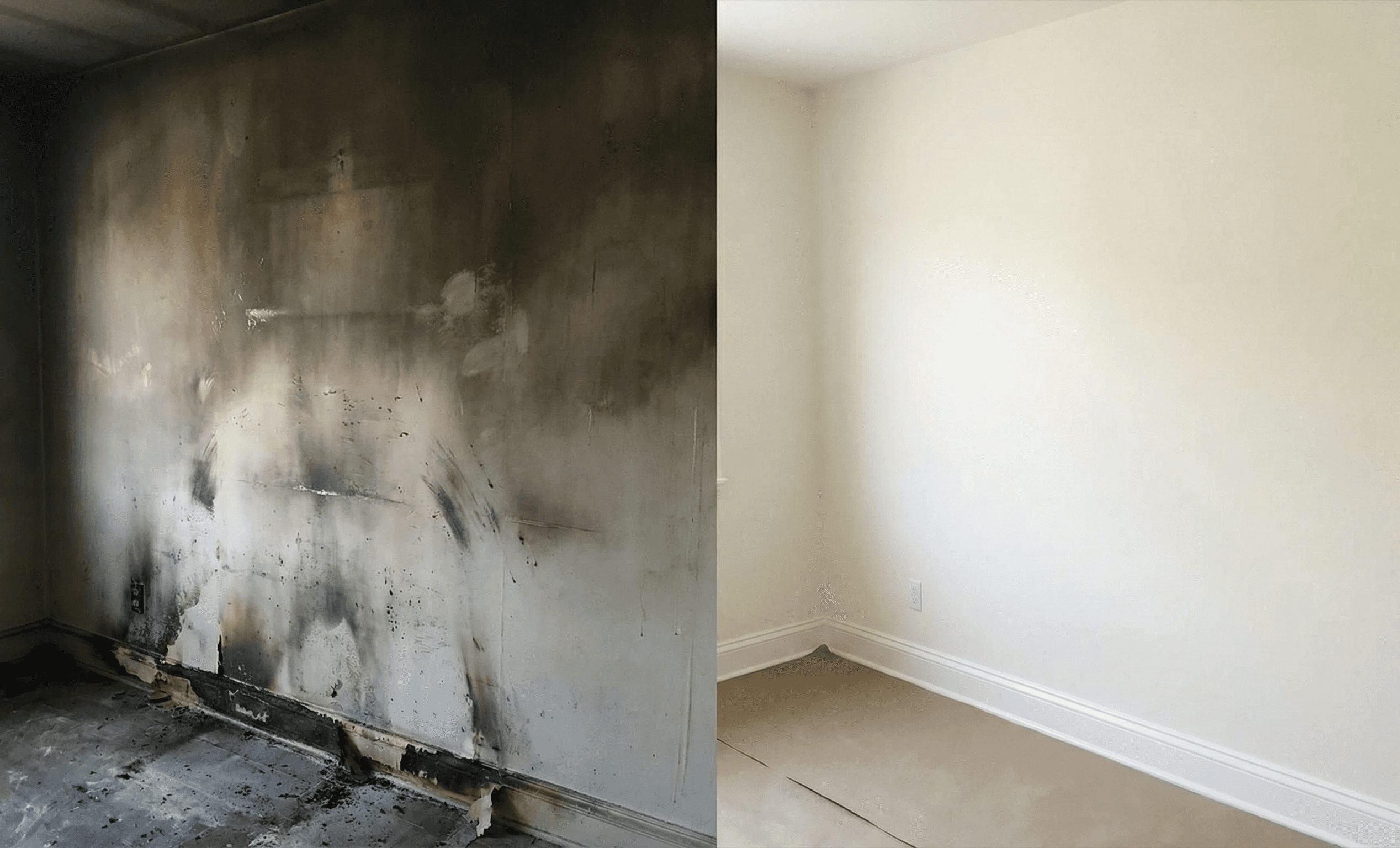
How to Remove Wildfire Smoke Odor from Your Corvallis Home
Wildfire smoke drifted into your Corvallis home during fire season, and now everything smells like smoke. Wildfire smoke contains the same volatile compounds as structure fire smoke, and removing the odor requires professional treatment, not just airing out the house.
Tom White
Art Director